
Water Conditioner UK: A Complete Guide for Smarter Limescale Protection
Hard water is one of those everyday issues that many UK homeowners learn to live with — until it starts costing them money. What begins as chalky deposits on taps and shower screens can quickly snowball into silent damage inside boilers, pipework, and appliances.
For households in hard water regions of the UK, a water conditioner UK system isn’t just a convenience — it’s a practical long‑term investment in home efficiency, longevity, and peace of mind.
In this guide we’ll walk through what water conditioners do, how they compare to other hard water solutions, what benefits you can expect, and why a whole‑house system designed for UK conditions is worth considering.
Table of Contents
What Is a Water Conditioner?
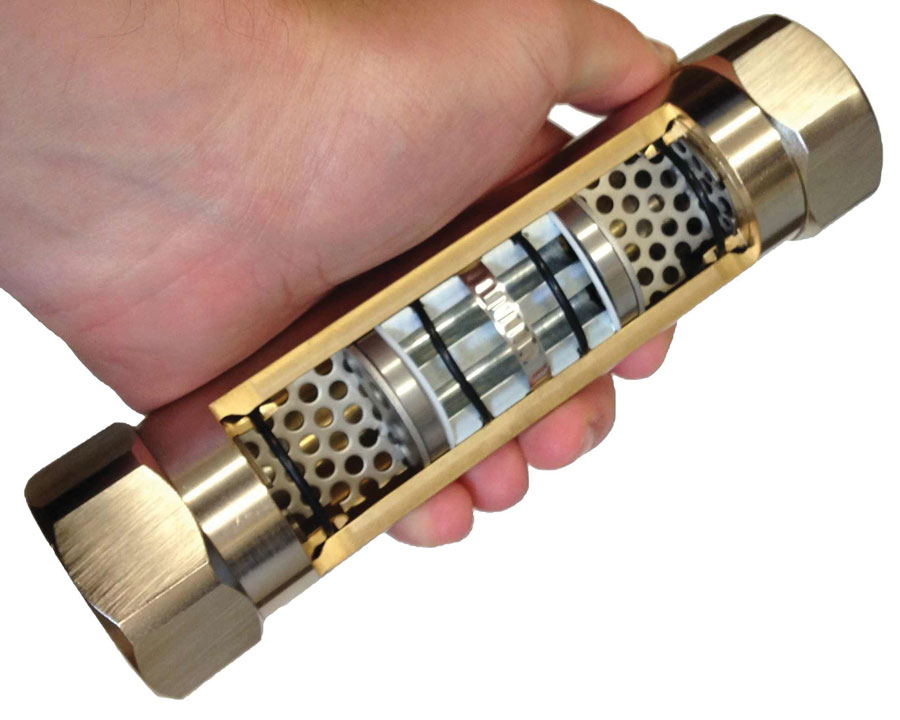
A water conditioner is a device that treats hard water as it enters your home, helping reduce the formation of limescale — the hard mineral deposits that build up when calcium and magnesium interact with heat or stagnation.
Unlike traditional salt‑based softeners that remove hardness minerals, modern conditioners:
- Don’t remove calcium and magnesium
- Alter how these minerals behave
- Reduce the likelihood of them attaching as hard scale
- Do not add sodium
- Don’t require salt refills or chemical treatments
The result? Fewer new mineral deposits inside boilers, pipework, and appliances — with minimal maintenance required.
Why UK Homes Need Hard Water Protection
Hard water is measured by how much dissolved calcium and magnesium it contains. In much of the UK — including London, the South East, Midlands, and many rural areas — water is classified as hard or very hard.
When hard water is used in daily routines, the effects can include:
Boilers and Heating Inefficiency
Even a thin film of scale inside a boiler’s heat exchanger reduces heat transfer efficiency. This forces the system to run longer and consume more fuel, quickly adding to energy bills.
Shortened Appliance Lifespan
Scale buildup inside washing machines, dishwashers, and kettles increases wear and tear, often requiring earlier replacement or costly repairs.
Reduced Water Flow
Internal pipework affected by scale can restrict flow and reduce water pressure at taps and showers.
Extra Cleaning
Visible hard water deposits — while mostly cosmetic — become more stubborn over time.
A water conditioner addresses the source of these problems by reducing the conditions that lead to scale formation.
How Water Conditioners Work
Water conditioners operate by changing the way hardness minerals like calcium and magnesium interact. Instead of binding to surfaces and forming crystalline limescale, the conditioned minerals remain suspended in the water and pass through the system more harmlessly.
This approach typically results in around 80% reduction in new limescale formation — and importantly, it does so without removing the minerals entirely. That means:
✔ Water retains beneficial mineral content
✔ No sodium is added (health benefit for low‑sodium diets)
✔ There’s no brine or chemical discharge
Conditioned water still looks and tastes the same — but it’s far less likely to damage boilers, heaters, and appliances internally.
Water Conditioner UK vs Other Hard Water Approaches
It helps to understand how conditioning compares to more traditional or simpler options:
Salt‑Based Softeners
How they work: Remove calcium and magnesium and replace them with sodium via ion exchange.
Pros:
- Highly effective at preventing scale
- Boiler and appliance protection can be near complete when maintained
Cons:
- Require regular salt refills
- Produce brine discharge during regeneration cycles
- Add sodium to water (not ideal for everyone)
- Ongoing maintenance needed
Magnetic & Electronic Devices
How they work: Claim to influence mineral behavior using magnets or electrical fields.
Pros:
- Low upfront cost
- Easy to install
Cons:
- Inconsistent performance, especially in very hard water areas
- Often fail to protect boilers and heating systems reliably
- Results vary based on flow rate and plumbing material
Water Conditioners
✔ Whole‑house coverage
✔ Minimal maintenance
✔ Salt‑free, chemical‑free operation
✔ Preserves natural minerals
✔ Environmentally responsible
Water conditioning represents a practical middle ground — delivering reliable scale reduction without the ongoing cost or environmental issues of traditional softeners.
Whole‑House Coverage Matters
One of the most important considerations for UK homeowners is where the water conditioner is installed. For maximum protection — including boilers and central heating systems — the device must connect to the main incoming water supply.
This ensures all outlets receive conditioned water:
- Bath and shower systems
- Kitchen and utility taps
- Washing machines and dishwashers
- Boilers and immersion heaters
- Radiators and pipework
Treating water at the point of entry protects every component of your home’s water network — not just isolated taps or appliances.
Everyday Benefits for UK Households
Once a properly installed water conditioner UK system is in place, homeowners typically notice:
Slower Limescale Formation
Scale appears less rapidly and is easier to clean where it does occur.
Improved Boiler Efficiency
With fewer deposits insulating heat exchangers, boilers work more effectively, often reducing energy costs.
Longer Appliance Lifespan
Dishwashers, washing machines, and other appliances benefit from less internal scale buildup, reducing early wear.
Reduced Maintenance
No salt refills, no regeneration cycles, and no complicated servicing — just consistent protection.
Whole‑Home Peace of Mind
From showers to washing machines, conditioned water helps keep your entire plumbing system running smoothly.
Installation and Expectations
Professional installation is recommended to ensure your water conditioner works as intended. A qualified installer will:
- Connect the device at the mains entry point
- Size the system based on household water usage and flow
- Ensure consistent water pressure throughout the property
- Provide setup guidance and performance expectations
It’s also important to set realistic expectations: water conditioning reduces the formation of new scale but does not instantly dissolve heavy existing limescale. Instead, as scale formation slows, your home’s systems gradually become cleaner and more efficient over time.
Supporting Your System Over Time
Even with a water conditioner installed, a few simple habits help maximise protection:
✔ Wipe showerheads, taps, and glass screens periodically
✔ Descale kettles and coffee machines if minor buildup appears
✔ Maintain regular boiler servicing with a trained engineer
With conditioner support, these tasks become less frequent and less demanding.
Is a Water Conditioner UK System Right for Your Home?
If your home experiences any of these issues, a whole‑home water conditioner could be a worthwhile investment:
- Regular appearance of hard water marks on fixtures
- Higher than expected energy bills
- Frequent appliance replacements
- Signs of limescale inside pipework or boiler components
For many UK homeowners, conditioning technology offers a long‑term, low‑maintenance alternative to traditional water softeners or point‑of‑use gadgets.
Conclusion: A Practical Hard Water Strategy
Hard water is a long‑term feature of many UK water supplies, but it doesn’t have to become a long‑term problem. A water conditioner UK system treats water before scale forms, protecting boilers, central heating, plumbing, and appliances across your entire home.
With minimal maintenance, no salt discharge, and preserved water mineral content, this approach provides reliable performance and peace of mind.
To explore professional water conditioners tailored for the UK and find the right solution for your household, visit:
👉 https://www.bathroomduck.co.uk/water-conditioners


