
Dress Rings Lab Diamonds, Lab Grown Diamonds: An Ultramodern Choice for Timeless Elegance
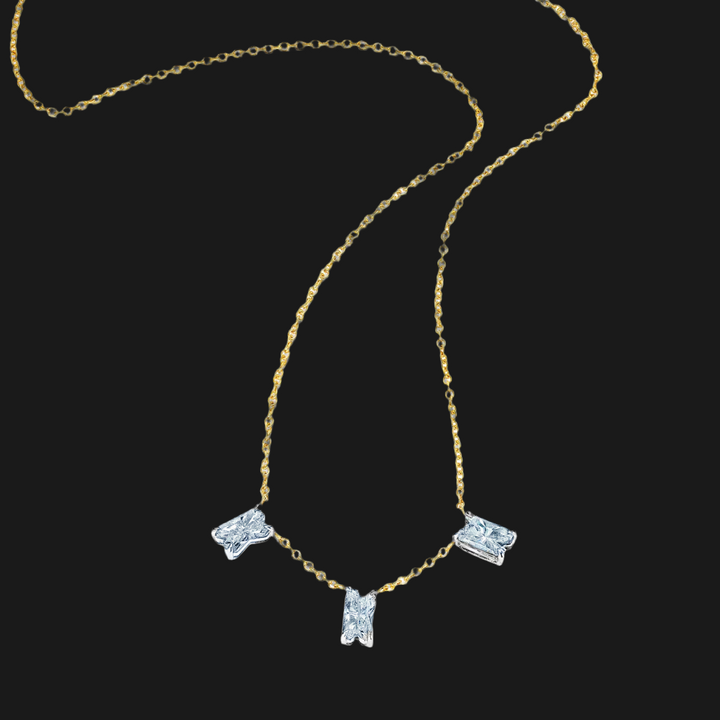
In recent times, the jewelry world has witnessed a remarkable metamorphosis. As consumers become more conscious about sustainability, ethics, and affordability, lab-grown diamonds have emerged as a compelling alternative to natural stones. Among the various jewelry categories, dress rings featuring lab diamonds have become particularly popular. These exquisite pieces combine elegance, innovation, and accessibility, making them a must-have for modern jewelry enthusiasts. In this article, we explore the appeal, benefits, and considerations of choosing dress rings lab diamonds, lab grown diamonds, offering insights for both seasoned collectors and first-time buyers.
Table of Contents
What Are Lab-Grown Diamonds?
Lab-grown diamonds, also known as synthetic or cultured diamonds, are created in controlled laboratory conditions. Unlike traditional mined diamonds, which form over millions of years beneath the Earth’s surface, lab-grown diamonds are produced through advanced technological processes that replicate the natural growth of carbon crystals. Two primary methods are used: High Pressure High Temperature (HPHT) and Chemical Vapor Deposition (CVD).
HPHT simulates the natural diamond-forming conditions of extreme pressure and temperature, while CVD deposits carbon atoms onto a diamond seed within a controlled environment. Both methods produce diamonds that are chemically, physically, and optically identical to natural diamonds. In fact, a gemologist cannot distinguish a lab-grown diamond from a mined one without specialized equipment.
The Rise of Dress Rings Featuring Lab Diamonds
Dress rings—ornamental rings worn for social occasions or formal events—have long been a statement of style and sophistication. Traditionally, these rings featured natural diamonds, sapphires, or other precious stones. However, as lab-grown diamonds gained recognition, jewelers began incorporating them into dress rings, creating designs that are luxurious yet sustainable.
One of the key reasons for the rise in popularity of dress rings lab diamonds, lab grown diamonds is affordability. Lab-grown diamonds typically cost 20–40% less than mined diamonds of comparable size and quality. This price difference allows consumers to invest in larger or more intricate designs without compromising on sparkle or brilliance. Additionally, lab-grown diamonds provide an ethical advantage, as they eliminate concerns about conflict or environmentally harmful mining practices.
Advantages of Choosing Lab-Grown Diamonds for Dress Rings
Cost-Effectiveness
The affordability of lab-grown diamonds opens the door to more creative and ambitious jewelry designs. Consumers can opt for larger center stones, intricate halo settings, or multiple-stone arrangements without overspending.
Ethical and Environmental Benefits
Lab-grown diamonds are considered more sustainable than mined diamonds. Their production requires significantly less energy and avoids the ecological disruption caused by traditional mining. Moreover, they are free from ethical concerns such as conflict diamonds, giving buyers peace of mind.
Quality and Clarity
Lab-grown diamonds often exhibit superior clarity and fewer inclusions than their mined counterparts. Since their growth conditions are controlled, jewelers can produce stones with minimal flaws, resulting in a brilliant sparkle that enhances the visual appeal of dress rings.
Customization Opportunities
Because lab-grown diamonds are produced in laboratories, jewelers can tailor their size, cut, and shape with remarkable precision. This makes them ideal for bespoke dress rings where every detail matters.
Choosing the Right Dress Ring: Key Considerations
When selecting a dress ring with lab diamonds, it is essential to consider several factors to ensure the piece aligns with your style, lifestyle, and budget.
Design and Setting
The setting of a dress ring affects both its aesthetic appeal and durability. Popular options include prong settings, bezel settings, and halo designs. Prong settings maximize light exposure to the diamond, enhancing brilliance, while bezel settings offer a more secure, modern look. Halo settings, featuring a central diamond surrounded by smaller stones, create a luxurious, eye-catching effect.
Diamond Cut and Shape
The cut of a lab-grown diamond significantly influences its sparkle. Round brilliant cuts are timeless and offer maximum light reflection, while emerald or princess cuts provide a sleek, contemporary appearance. The shape and cut should complement the wearer’s style and the overall design of the ring.
Metal Choice
Dress rings can be set in a variety of metals, including white gold, yellow gold, rose gold, and platinum. White gold and platinum emphasize the diamond’s brilliance, while rose gold provides a warm, romantic undertone. Personal preference, skin tone, and durability requirements should guide your choice.
Certification and Authenticity
Even though lab-grown diamonds are created in controlled environments, certification remains crucial. Reputable labs such as GIA, IGI, and AGS provide detailed reports on the diamond’s cut, color, clarity, and carat weight. A certified diamond ensures transparency and protects your investment.
Trends in Dress Rings with Lab-Grown Diamonds
Lab-grown diamonds are not just an alternative—they are a trendsetter. Contemporary dress ring designs showcase bold geometric patterns, asymmetrical arrangements, and mixed-metal styles. Minimalist settings highlight a single lab-grown diamond’s brilliance, while intricate vintage-inspired rings combine multiple stones with ornate detailing.
Colored lab-grown diamonds are also gaining popularity. Available in shades such as yellow, blue, and pink, these stones offer a unique, personalized touch. Jewelers can create custom dress rings with colored diamonds that are otherwise rare or prohibitively expensive in mined form.
Misconceptions About Lab-Grown Diamonds
Despite their growing acceptance, some misconceptions linger. A common myth is that lab-grown diamonds are “fake” or inferior. In reality, they are real diamonds with the same chemical composition and optical properties as mined diamonds. Another misconception is that they are less valuable. While resale value can differ from natural diamonds, many buyers prioritize affordability, ethical sourcing, and beauty over investment potential.
Caring for Your Dress Ring with Lab Diamonds
Lab-grown diamonds are remarkably durable, ranking 10 on the Mohs hardness scale. Nonetheless, proper care ensures long-term brilliance. Routine cleaning with mild soap and a soft brush keeps the diamond sparkling, while regular inspections of prongs and settings prevent damage. Avoid exposure to harsh chemicals, and store your dress rings separately to prevent scratches.
Conclusion
The fusion of tradition and innovation has propelled dress rings lab diamonds, lab grown diamonds into the spotlight of contemporary jewelry. Offering ethical advantages, affordability, and remarkable beauty, lab-grown diamonds redefine what it means to wear a statement ring. Whether seeking a classic design, a bespoke creation, or a modern minimalist piece, these rings provide endless possibilities for self-expression. As more consumers embrace sustainability without compromising luxury, lab-grown diamonds are not just a trend—they are shaping the future of fine jewelry.
With a growing variety of designs, colors, and cuts, now is the perfect time to explore the sparkling world of lab-grown diamonds and elevate your collection with a dress ring that reflects both style and conscience.