Redefining Urban Infrastructure for Efficiency

Cities, the nuclei of human activity and culture, are always in flux, demanding constant adaptation to meet the needs of their inhabitants. The solution to many urban challenges lies not in expanding or creating new structures but in fundamentally reimagining existing infrastructure. It’s time for cities to evolve to meet the demands of the 21st century.
Table of Contents
The Urban Reality Check
Urban centers are increasingly becoming the hub for human habitation, with more than half of the world’s population dwelling in cities. This concentration creates intense pressure on the existing infrastructure. Roads groan under the weight of countless cars, public transportation systems operate at full capacity, and waste management facilities struggle to keep pace with the growing volume. To address these issues head-on, we must turn our gaze to transforming the ways in which cities function.
Addressing urban sprawl is another vital aspect of an effective infrastructure strategy. Cities must consider their physical footprint to prevent unnecessary strain from expanding boundaries. By fostering mixed-use developments—where residential, commercial, and recreational spaces coexist—cities can facilitate better land use. This approach reduces the need for long commutes, enhances community engagement, and preserves surrounding nature reserves, adding value to the urban experience as a whole.
Smart Grids: The Future of Energy
Energy systems, too, must undergo a transformation. By transitioning to smart grids, cities can create adaptive networks capable of responding in real-time to ever-shifting demand. These grids utilize advanced technology to ensure reliable delivery and optimize usage patterns. Integrating renewable sources, like solar and wind, into these grids will further enhance reliability while promoting sustainability. Cities must embrace these innovations to see genuine progress in energy consumption and management.
One important element of rethinking urban infrastructure is the need for underground utility installations. As cities expand, services like electricity, water, and internet need seamless solutions that align with sustainability goals. For practical implementations, UES Construction highlights the value of trenchless directional drilling. This approach significantly minimizes environmental disruption and optimizes urban service delivery around existing infrastructure.
Rethinking Public Transportation
The merits of efficient public transportation are undeniable. By upgrading bus and rail networks and exploring new transit solutions, cities can alleviate road congestion and reduce carbon emissions. Dedicated bus lanes, improved scheduling, and investment in clean energy public transport are all pathways to achieving a more accessible and dependable network. Public transportation shouldn’t be seen as a last-resort option but as a central pillar of urban mobility.
For cities to truly shift towards sustainable mobility, it is crucial to encourage the use of active transportation options such as walking and biking. Creating pedestrian-friendly infrastructure, building protected bike lanes, and developing bike-share programs means promoting a culture of health, safety, and environmental consciousness. These innovations move urban environments beyond convenience towards creating vibrant communities where people thrive on foot or by bike.
The Role of Green Spaces
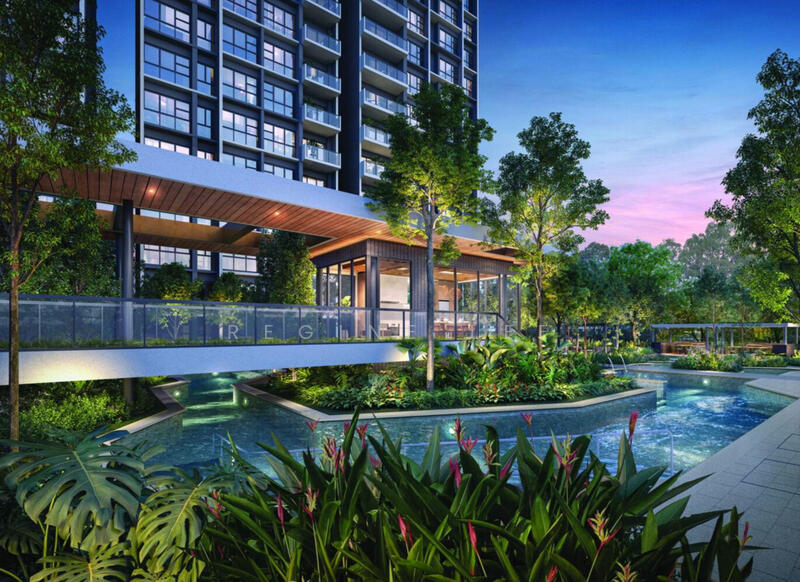
Often underestimated, green spaces within cities are indispensable. They filter air, mitigate urban heat, and offer vital recreational areas that contribute to citizens’ well-being. Cities need to prioritize the expansion of parks, green roofs, and urban gardens. By infusing nature into urban planning, cities can promote a healthier lifestyle, facilitate social inclusion, and enhance biodiversity within their limits.
Water Management: A Priority
A chronic issue that urban centers face today is water management—handling both excess and deficit. Cities need to prioritize systems that deal effectively with water fluctuations. Innovative drainage systems that capture, store, and gently release rainwater can reduce flooding risks. By investing in efficient water recycling systems, cities can ensure reserves for dry spells and promote sustainability. Better management promises a secure, resilient future for urban environments.
It is also essential to incorporate nature-based solutions in water management. Restoring wetlands and encouraging urban farming can contribute towards maintaining a balanced ecosystem. Permeable surfaces in public spaces and residential areas not only facilitate rainwater absorption but also help in reducing heated surface runoff. These practices embody proactive steps towards improving urban environments, making them more resilient to climate impacts.
Waste in the New Urban Age
Solid waste management remains a formidable challenge. Modern cities generate mountains of waste, of which only a fraction is processed. Poor management creates environmental hazards and exacerbates urban blight. Implementing comprehensive recycling programs and adopting waste-to-energy technologies can offer cities robust solutions to this growing problem. Municipalities need proactive measures that prioritize waste reduction at the source and utilize advanced processing methods.
A comprehensive approach to solid waste involves incentivizing local businesses and residents to participate in sustainability efforts. Composting programs for organic waste and initiatives like repair cafes can divert materials away from landfills. Encouraging a shift from single-use products to reusable alternatives helps in fostering a community-wide culture that values reduction and responsible resource usage.
Civic Engagement: The Driving Force
The success of this urban transformation hinges not only on policy reform but also on active civic engagement. Residents need opportunities to play an active role in shaping their surroundings. Engagement platforms that allow community input and foster interaction ensure that urban infrastructure development genuinely reflects the needs and aspirations of its inhabitants. Through inclusive dialogue, cities can craft a collaborative vision for their future.
Conclusion
Reimagining urban infrastructure is not just a matter of policy; it’s about reinventing the very fabric of city life. To forge a path towards a sustainable and vibrant future, cities must embrace this shift, harnessing human ingenuity and a commitment to betterment. As we look beyond traditional methods, the goal remains clear: building resilient urban environments capable of supporting present and future generations.