
Two Buyer Mindsets Shaping Singapore Real Estate: Family-Centric Tengah and the Urban Pulse of Vela Bay
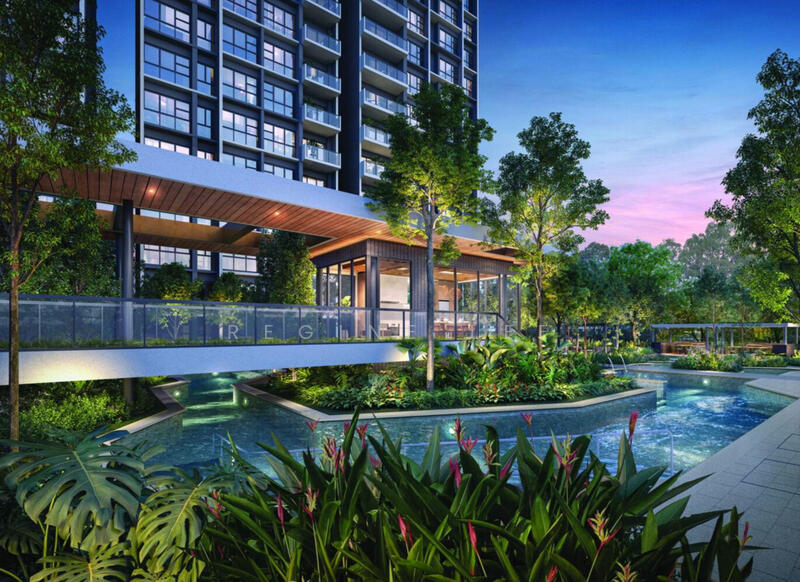
Singapore’s residential market in 2026 reflects a growing divergence in buyer priorities. While some households are seeking space, community, and long-term stability, others are drawn to convenience, vibrancy, and lifestyle efficiency. This contrast is clearly illustrated by two developments located at opposite ends of the island: Tengah Garden Residences and Vela Bay. Together, they highlight how Singapore real estate is increasingly shaped by lifestyle alignment rather than geography alone.
Table of Contents
Tengah’s Appeal to the Modern Family
Tengah has quickly gained recognition as a town designed with families in mind. Built as a smart and sustainable forest town, it offers an environment where safety, accessibility, and community interaction are prioritised from the outset. Family living in Tengah is characterised by car-lite planning, wide pedestrian paths, and abundant green spaces that encourage outdoor activity and social engagement.
Within this setting, Tengah Garden Residences provides a residential option that fits naturally into the town’s broader vision. Families benefit from proximity to schools, neighbourhood amenities, and recreational spaces without the congestion associated with older estates. For parents planning long-term homeownership, Tengah’s design offers reassurance that the environment will continue to support children’s development as the town matures.
Why Family-Oriented Developments Hold Value
In Singapore real estate, family-centric developments tend to demonstrate resilience across market cycles. Families are more likely to stay longer, invest emotionally in their neighbourhoods, and prioritise stability over short-term mobility. This creates consistent demand for well-planned homes in emerging towns like Tengah.
As infrastructure, retail, and educational institutions continue to be rolled out in the western region, early residential developments stand to benefit from gradual uplift. For buyers, this means the opportunity to secure homes that serve both lifestyle needs and long-term value appreciation.
The Urban Buyer and East Coast Living
At the other end of the spectrum is the demand for dynamic, city-adjacent living. The urban lifestyle Vela Bay offers reflects how buyer expectations have evolved among professionals and downsizers. Convenience, connectivity, and lifestyle access now outweigh the need for large living spaces. Located within the Bayshore precinct, Vela Bay caters to residents who value time efficiency and proximity to both work and leisure.
The East Coast’s appeal lies in its ability to combine established neighbourhood character with modern infrastructure upgrades. Easy access to public transport, recreational spaces, and dining enclaves creates a lifestyle that feels both relaxed and efficient—an increasingly rare combination in dense urban environments.
Urban Lifestyle as a Rental and Ownership Strategy
From an investment standpoint, developments aligned with urban lifestyle preferences tend to attract a diverse tenant pool. Professionals working in central locations, expatriates, and downsizers often prioritise accessibility and lifestyle over size. This makes developments like Vela Bay particularly attractive for rental demand, especially in a market where tenants are more selective.
For owner-occupiers, urban lifestyle homes provide flexibility. They support changing life stages, from full-time office work to hybrid arrangements, while maintaining strong resale appeal due to their location and limited supply.
Two Lifestyles, One Market Direction
Tengah Garden Residences and Vela Bay demonstrate how Singapore’s property market is no longer moving in a single direction. Instead, it is expanding outward into multiple lifestyle-driven segments. Tengah represents growth rooted in family formation, decentralisation, and long-term town planning. Vela Bay represents refinement—homes designed for efficiency, connectivity, and experiential living.
Importantly, neither approach is inherently superior. Each responds to a different set of needs that coexist within Singapore’s diverse buyer base.
What Buyers and Investors Should Consider
For buyers, the key question is not where a development is located, but how well it supports everyday life. Families may find that Tengah’s environment aligns more closely with their priorities, while urban professionals may prefer the energy and convenience of the East Coast.
For investors, understanding these lifestyle drivers is essential. Family-oriented homes often provide stability and longer tenancies, while urban lifestyle properties may offer higher turnover but stronger rental yields. A balanced portfolio may even include exposure to both segments.
Conclusion: Lifestyle Alignment as the New Benchmark
Singapore real estate in 2026 is increasingly defined by alignment—between homes and how people actually live. Tengah Garden Residences reflects the growing importance of family-friendly environments and long-term community planning. Vela Bay captures the continued demand for urban lifestyle living that prioritises connectivity and experience.
For readers evaluating the market through a guest-post lens, these two developments offer a clear insight into where residential demand is heading: toward homes that are not just well-located, but well-suited to the lives people want to lead.


